Roman Sites Tick List

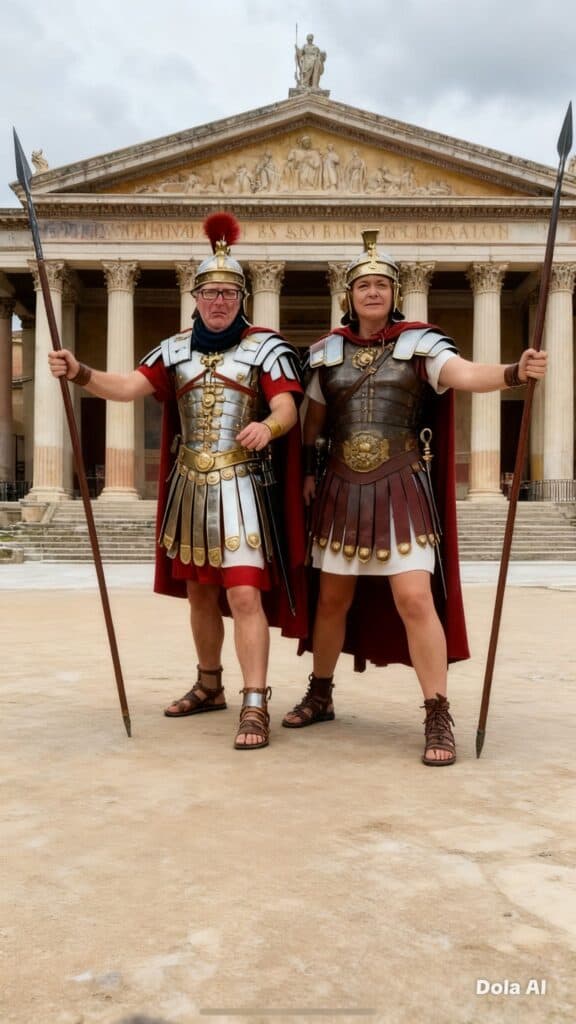
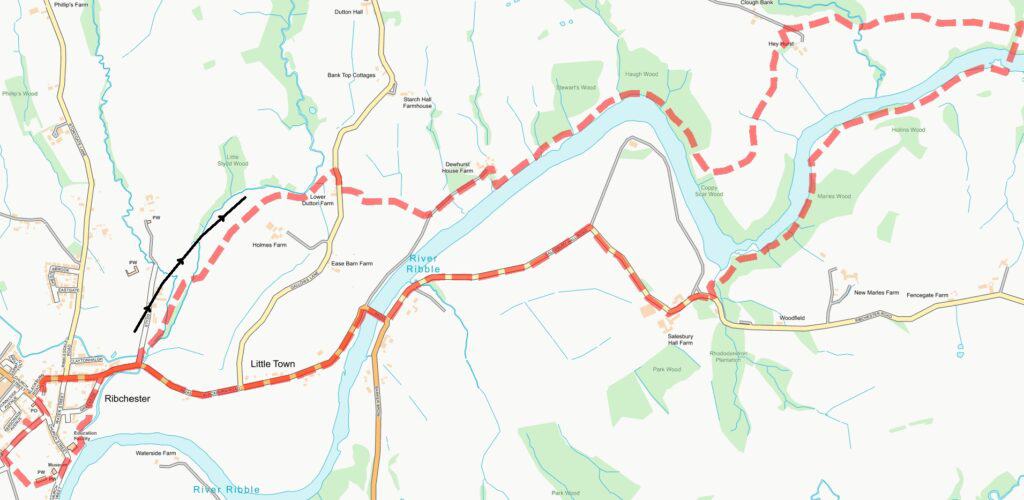
This project attempts to explore and investigate the key Roman ruins of northern England; of course, it incorporates a short walk.
We are blessed to have a rich vein of preserved sites to go to!


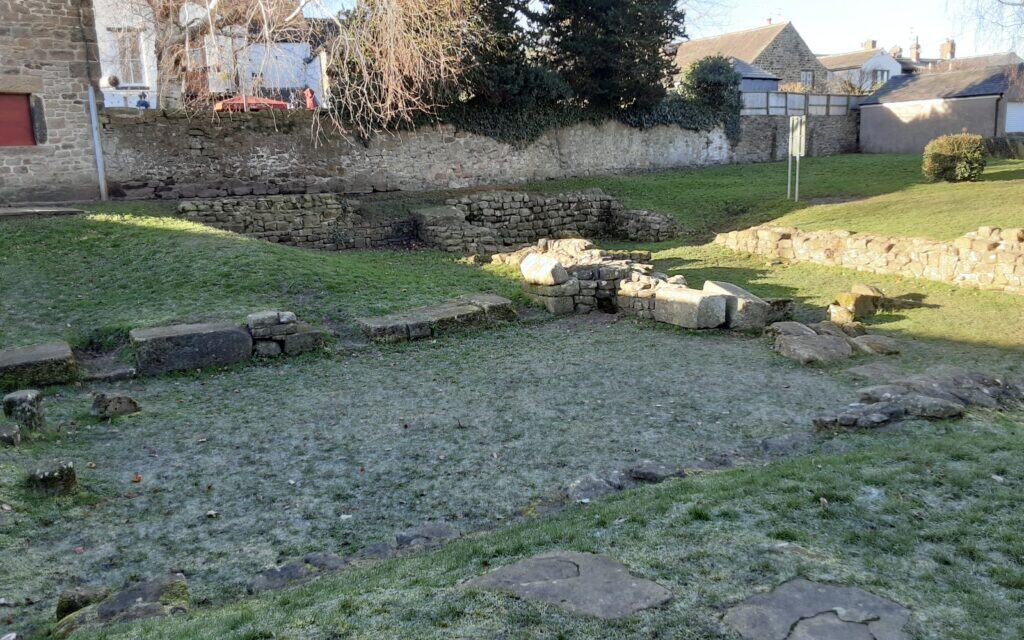
Ribchester, Lancashire ~ Bremetennacum
“Fords, Flues & Fishtraps”
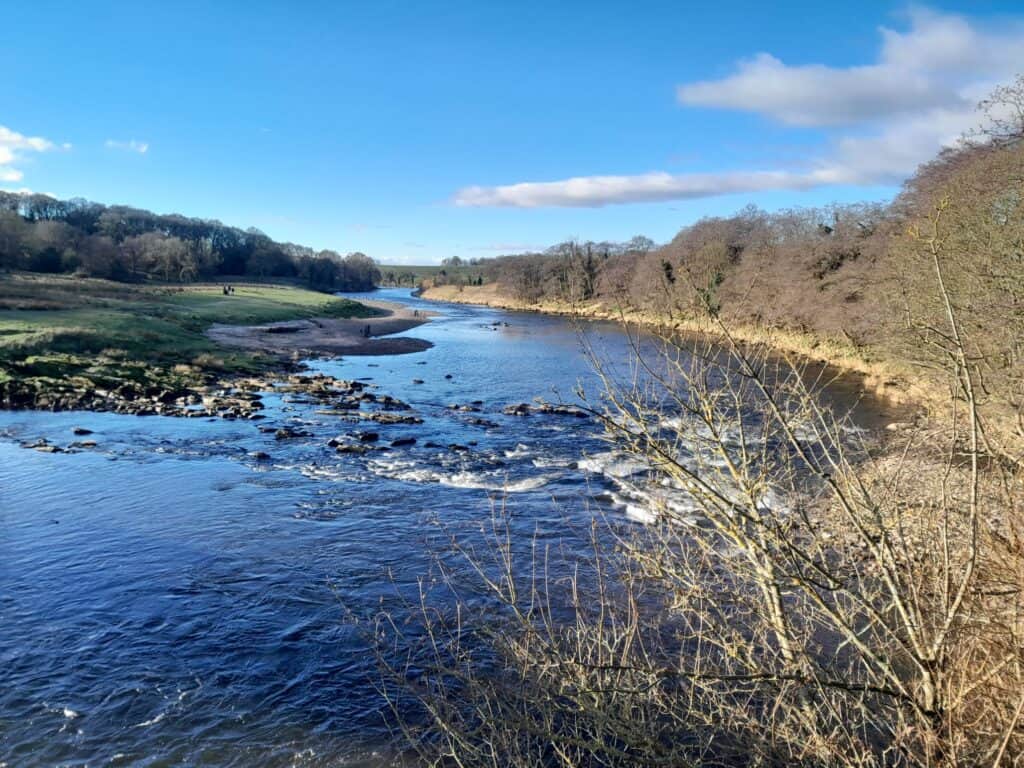
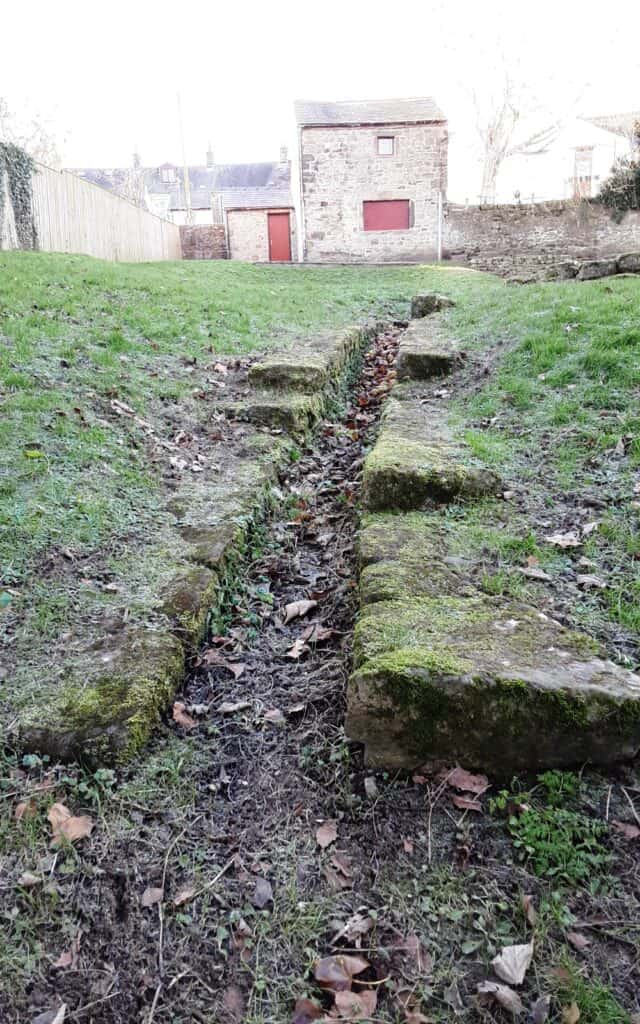
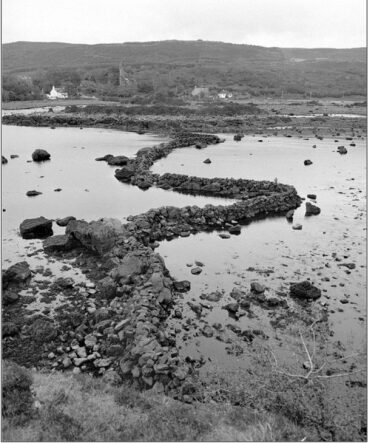
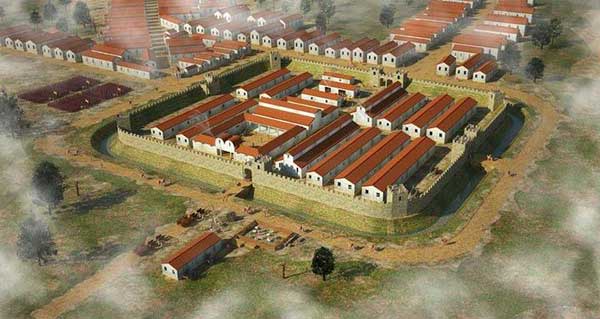
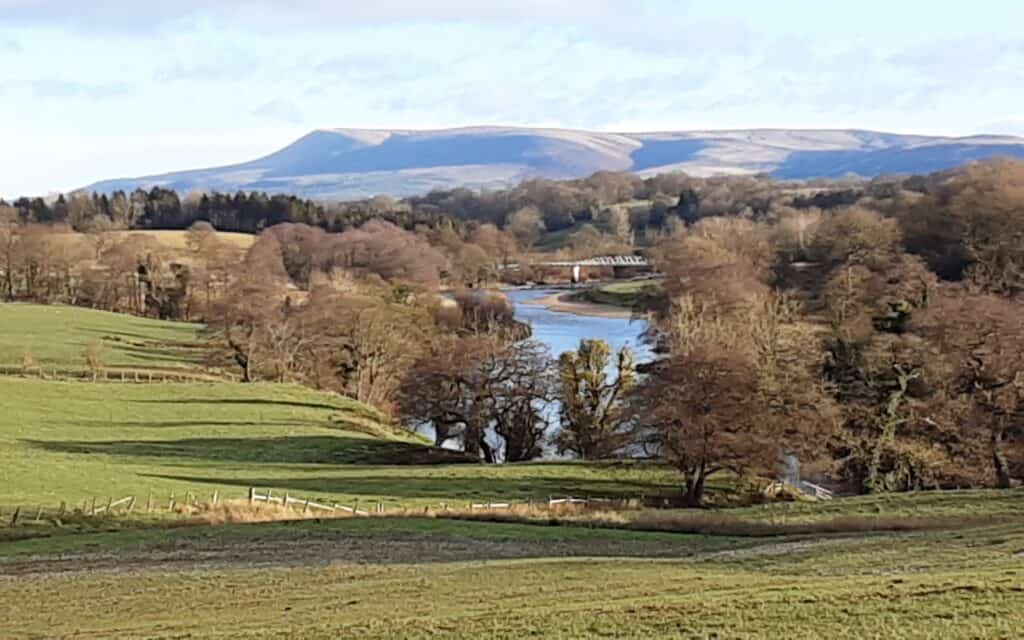
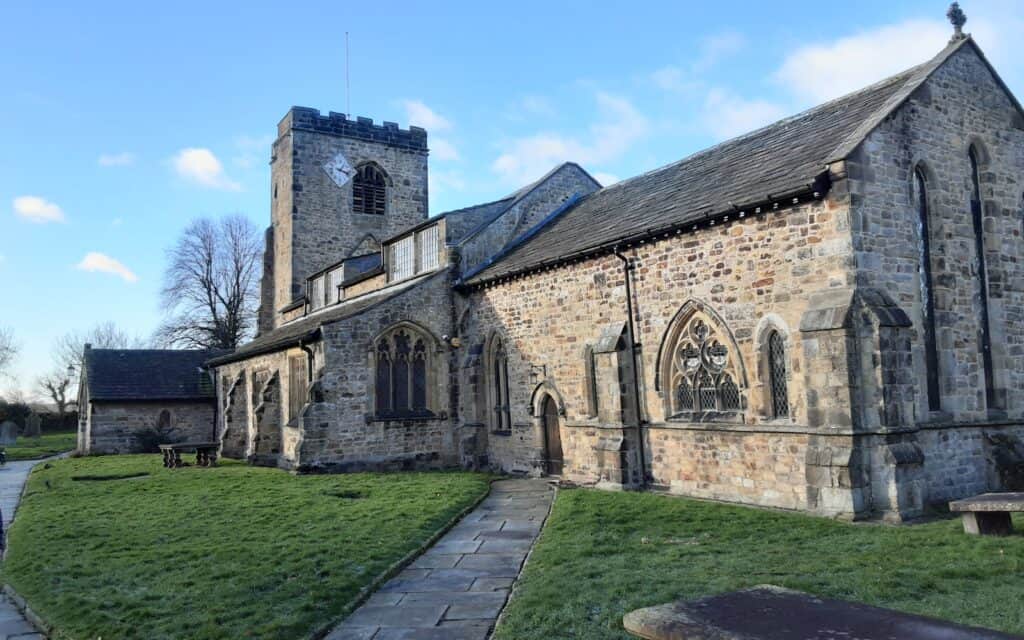
Bremetennacum was a Roman fort on the site of the present-day village of Ribchester.
The site guarded a crossing point of the River Ribble. The first known Roman activity was the building of a timber fort, believed to have been constructed during the campaigns of Petillius Cerialis around AD 72. This was replaced by a stone fort in the 2nd century.
Ambleside, Cumbria ~ Galava
“Granaries, Guardhouses & Gateways”
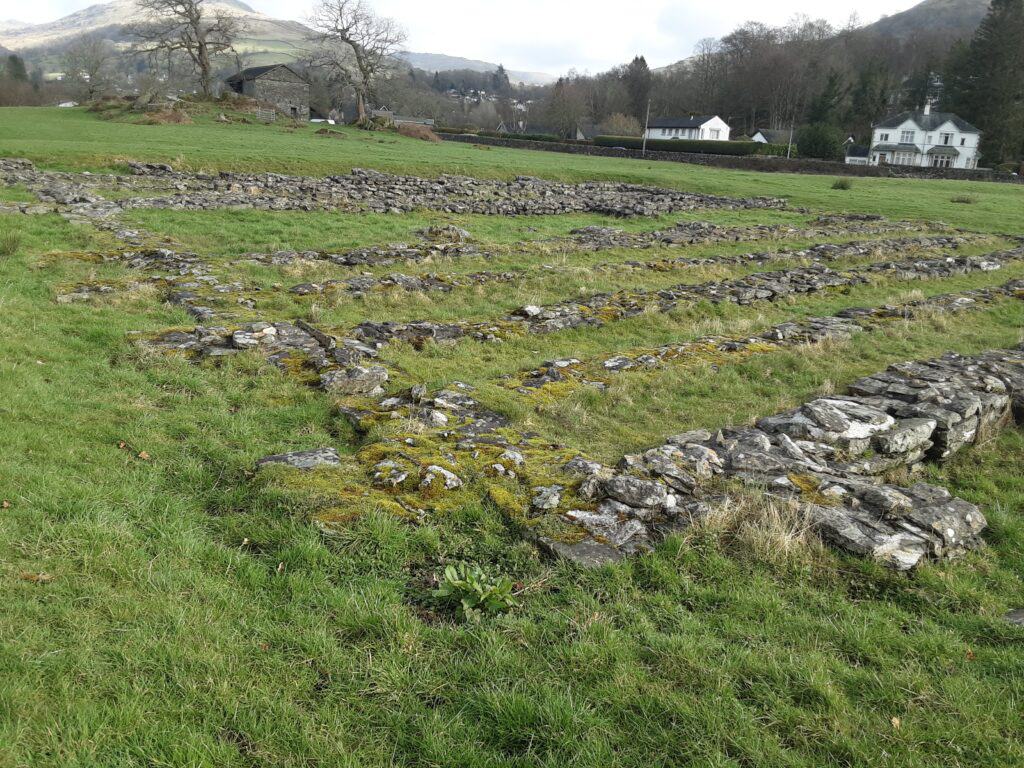
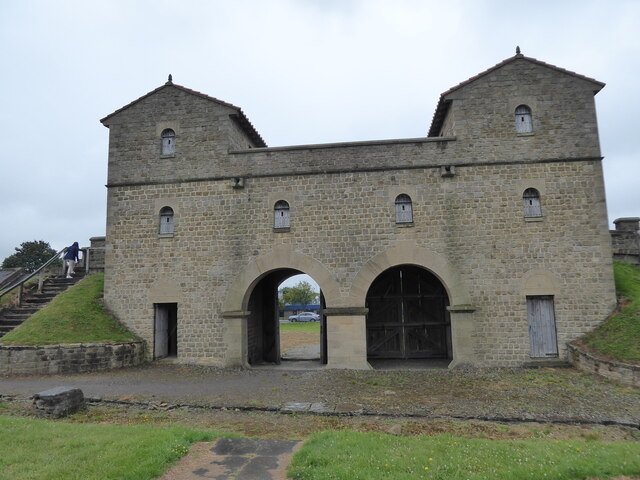
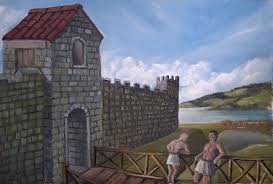
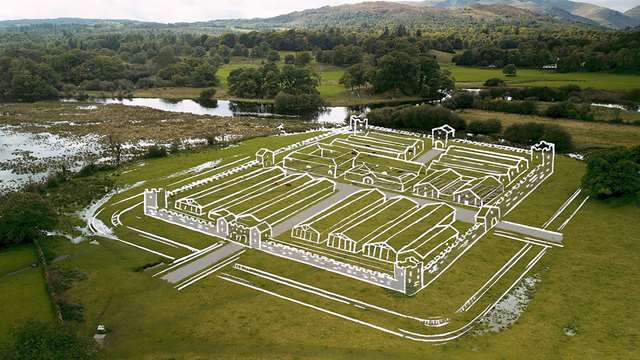
The Romano-British fort that visitors see at Ambleside to-day was built during the reign of Emperor Hadrian (AD 117–38) on the site of an earlier fort. It was the base for a garrison of about 500 soldiers, and its setting on the northern shore of Lake Windermere made it strategically vital to the Roman occupation of Cumbria.
The fort’s well-preserved remains and stunning lakeside setting make it one of the most evocative Roman sites in north-west England.
Kendal, Cumbria ~ Watercrook
“Gods, Gladiators & Graveyards”

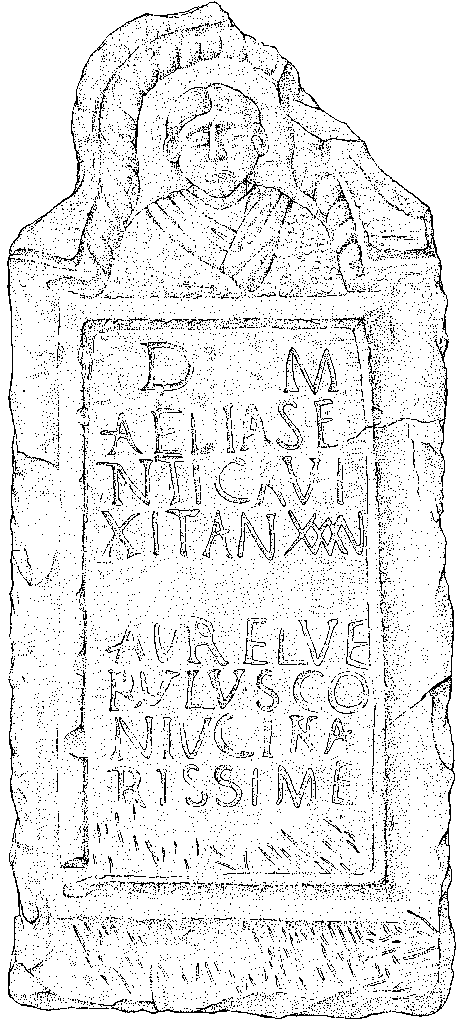
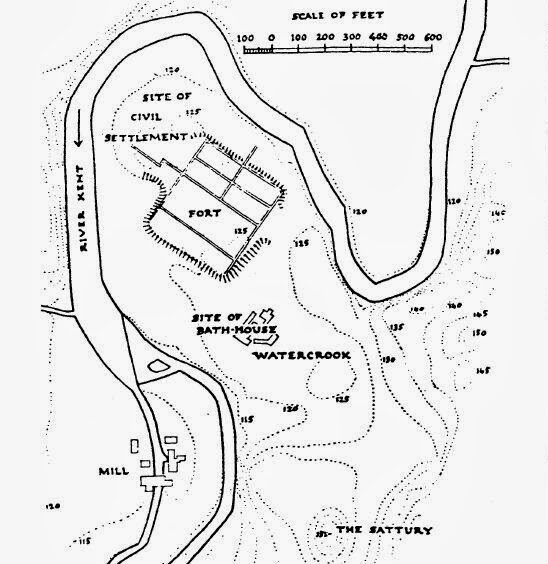
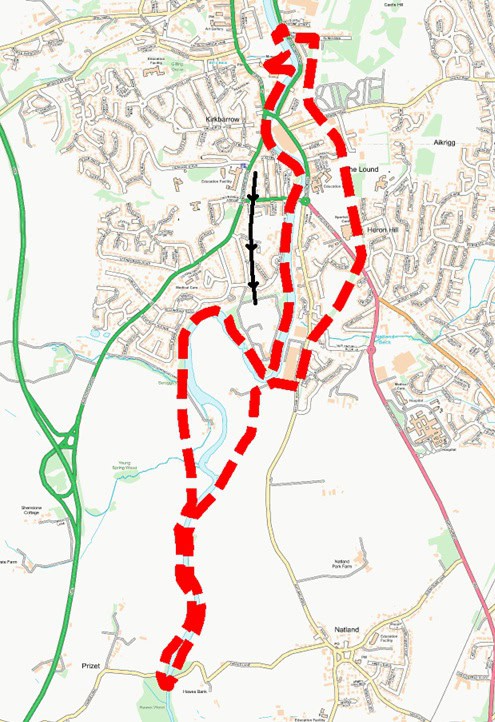
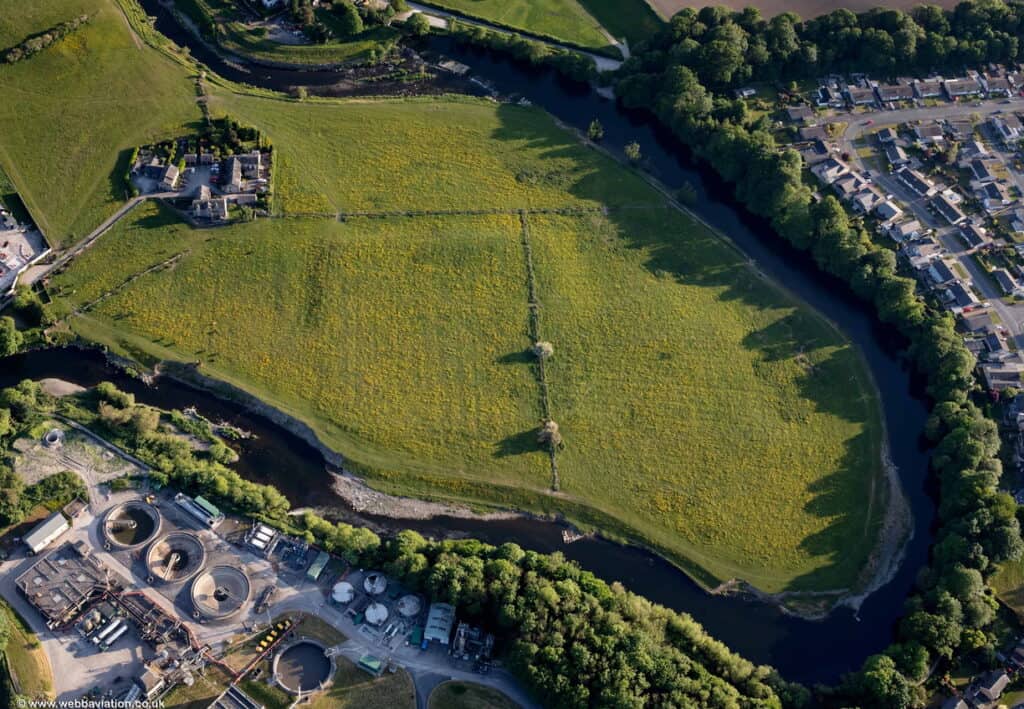
The Roman fort at Kendal is both invisible these days, and almost impossible to reach. The buried remains are sited in a loop of the River Kent, on farmland adjoining Watercrook Farm. Years of ploughing and farming have greatly reduced the fort’s height and form, leaving a faint, almost indistinct square platform in the field. Even aerial photographs show very little of the fort’s remains.
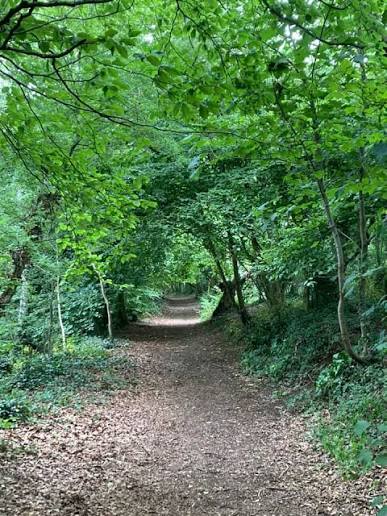
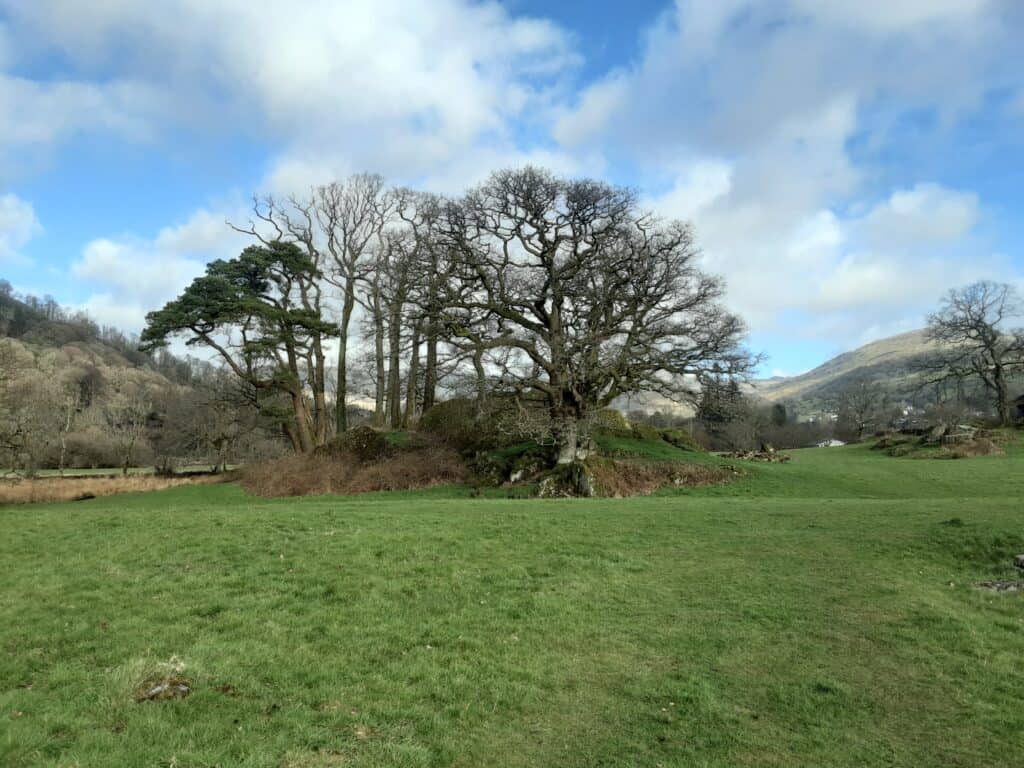
The Satury is a low mound of earth that can be found along the public footpath that runs south of the fort at Watercrook. The name “Sattur” means the place of a Roman temple dedicated to the Roman God Saturn, though it is generally agreed now that the name could come from Old Norse meaning “the mound of the settlement”